

Building in Public #16: 651 seconds to 150: how copying ourselves made React fast

By Peter Coppinger
This week we're on a family holiday in Portugal, with friends visiting, so my personal time at the keyboard has been very low. Last week I spent two days out with the Success.co team in Birmingham, which was great. But the fleet has been working round the clock. And I get a profit and loss report every day, along with safeguards to stay on top of costs, so nothing spirals out of control.

For the fleet, this entire week was React: switching what Vorx builds from Vue to React. Last week I decided that new projects would be React. The goal is simple: React by default, every bit as fast and as cheap as Vue.
The first React builds were slow
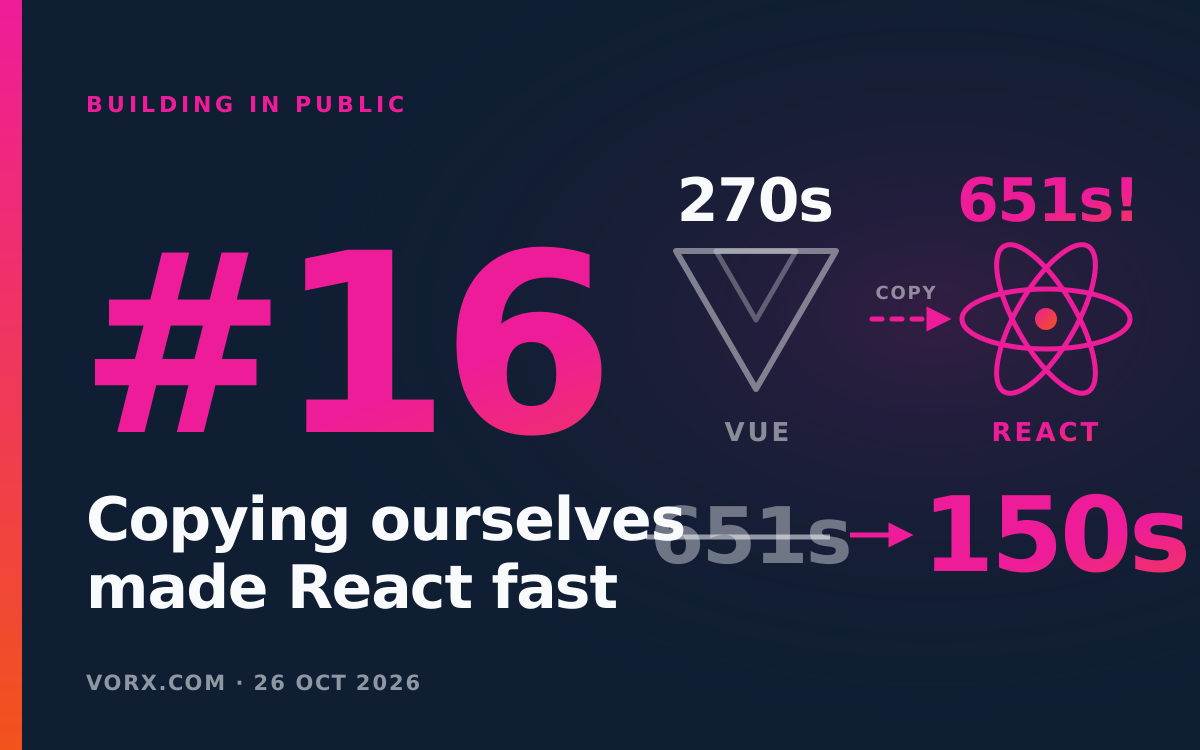
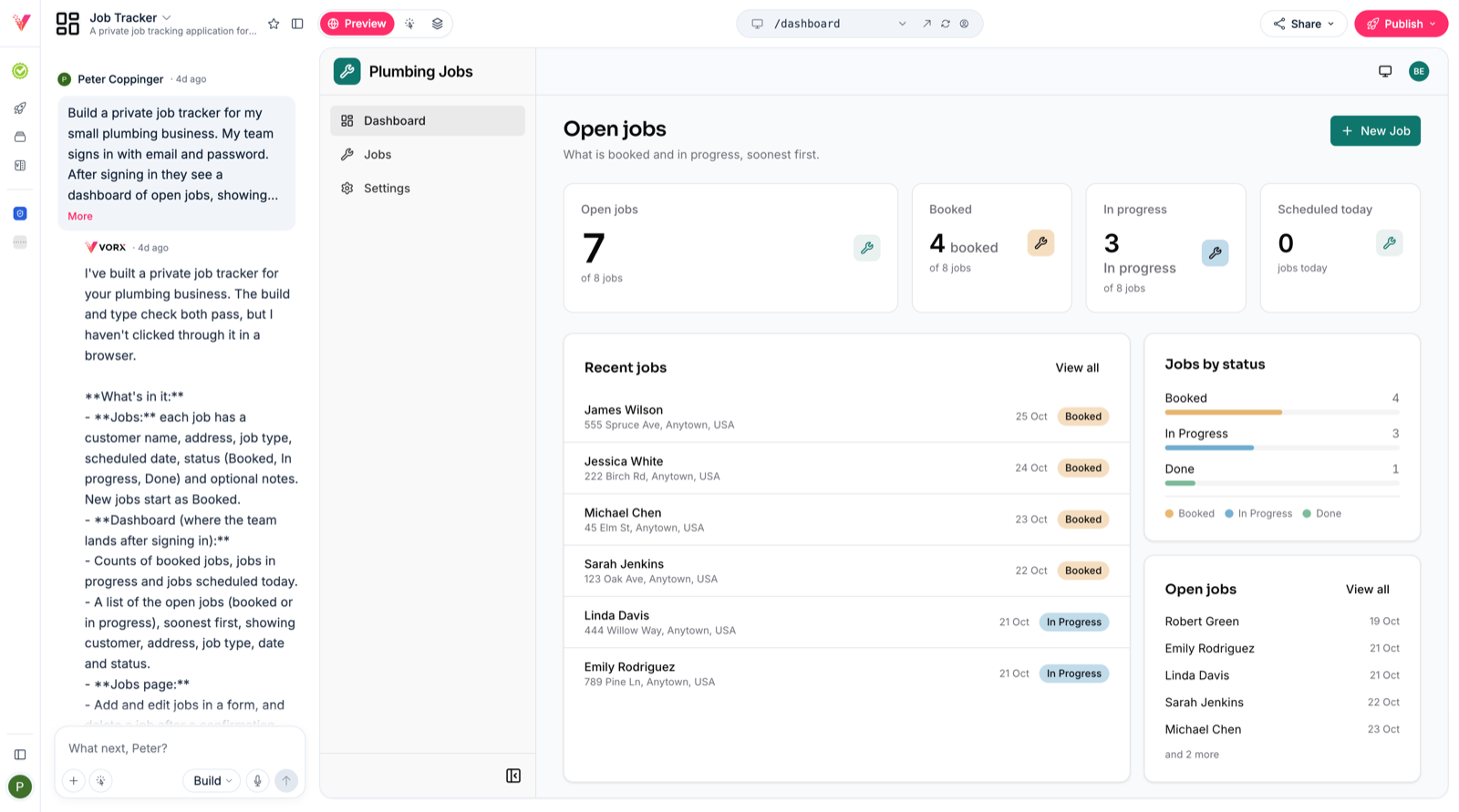
The first React builds worked. They were just slow and expensive. My control test is a small online shop for a pottery studio. On the first React builder it took 651 seconds and cost $2.59 in model calls. The same shop on our Vue builder took 270 seconds and cost 33 cents.
React is where the market is, and every week on Vue was a week of work we'd now have to bring across. I'm kicking myself that I didn't start with React in the first place.
I'm kicking myself that I didn't start with React in the first place.
The idea: copy ourselves
Our Vue builder has had months of work. It designs the app first, works out the data and who's allowed to see what, plans the pages, then writes the code, sets up the database and adds sample data. The first React builder did it differently: one long loop of the AI writing files and fixing them until they worked.
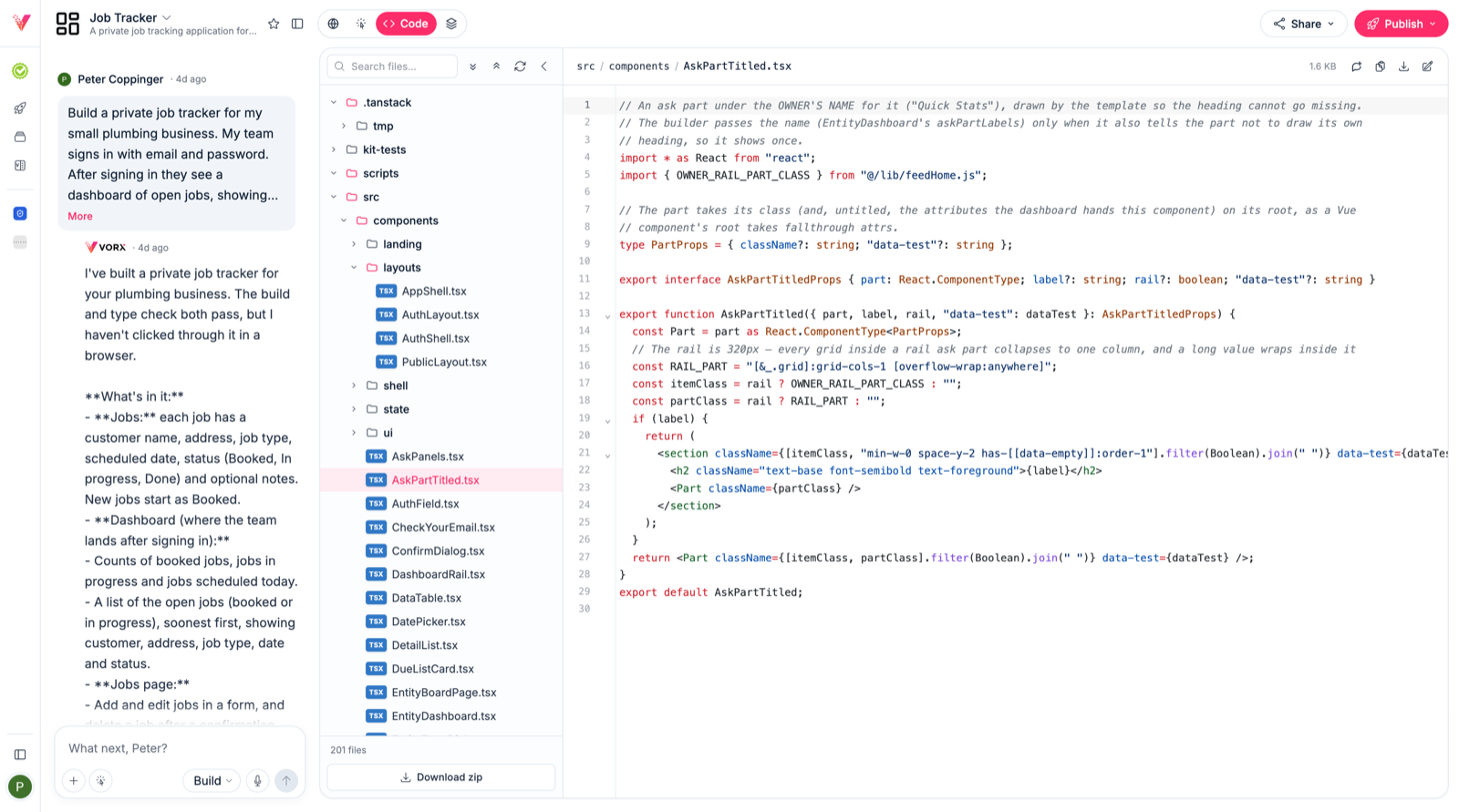
So instead of tuning that loop, we copied the Vue builder's steps and pointed them at React. The design, the data and the access decisions are made exactly the way Vue makes them. Only the last step, writing the code, is new. Internally we call it copy-Vue.
Two failed builds, two real bugs
Before Vorx writes any code, it makes a plan: what the screens are, what the app needs to remember and who gets to see what. I wanted React to use the same planning step Vue already uses. So I ran a few test builds set to stop the moment anything went wrong.
The first one stopped after about 50 seconds and cost 10 cents. React had picked up the planner we use for websites instead of the one for apps. A website plan doesn't describe an app, so there was nothing to build from. Fixed: apps now get the app planner.
The second one cost 22 cents. This time there was a plan, but it was handed over in a form the part that writes the pages couldn't read, so every page came out blank. Fixed that too.
Two bugs, 32 cents. Either one would have hit every single build.
651 seconds to 150
With both fixes in, the third pottery build finished in 150 seconds for 46 cents. I'd capped each test build at $3.89, one and a half times what the old React builder cost. It came in at about an eighth of that.
The pottery shop test
The same brief each time: a small online shop for a pottery studio. Build time and model cost for one build on each path. One build of each, run separately.
| Builder | Build time | Cost |
|---|---|---|
| React, first builder | 651 s | $2.59 |
| Vue, today's builder | 270 s | $0.33 |
| React, copying Vue | 150 s | $0.46 |
It's one build of one app, so it tells me we're heading the right way, not that we're done. It's still a bit dearer than Vue (46 cents against 33), but on this run it was faster. To be fair, the app it produced still needs work, so it might come in slower once that's done. But it shows promise.
Fast isn't the same as working, though. Before anything goes live, we open the app as a visitor who isn't signed in, then sign in and look again. The pottery build failed that check: visitors got "permission denied" instead of products, and it still said "Acme", the template's name. The fixes are in, apart from letting visitors see each product's options, which is in review. The salon booking app gets the same check next. Since writing that, we fixed what we found and rebuilt the same pottery store on the copy-Vue path. It now works: 188 seconds and 23 cents. Product photos are still to come.
Feature: you see the price first
One of the top complaints about other app builders is costs spiralling out of control. So I added Cost preview. Before an update, you can ask for an estimate of how many credits it will cost, and see which files it will touch. Nothing runs until you give the go-ahead. It's awesome.
It's opt-in, so an update is only priced when you ask. A first build can't be priced, because there's no code yet. And React edits can't do it yet, which is the first thing below.
We need to get this and any other missing features into the React build asap.
Side story: fewer, better features
I agree with Tobi Lütke, Shopify's CEO, here. On the Farnam Street podcast he called it a "slop grenade". Farnam Street sums it up as letting AI make the work and passing it on without checking it, so someone else has to clean up the mess.
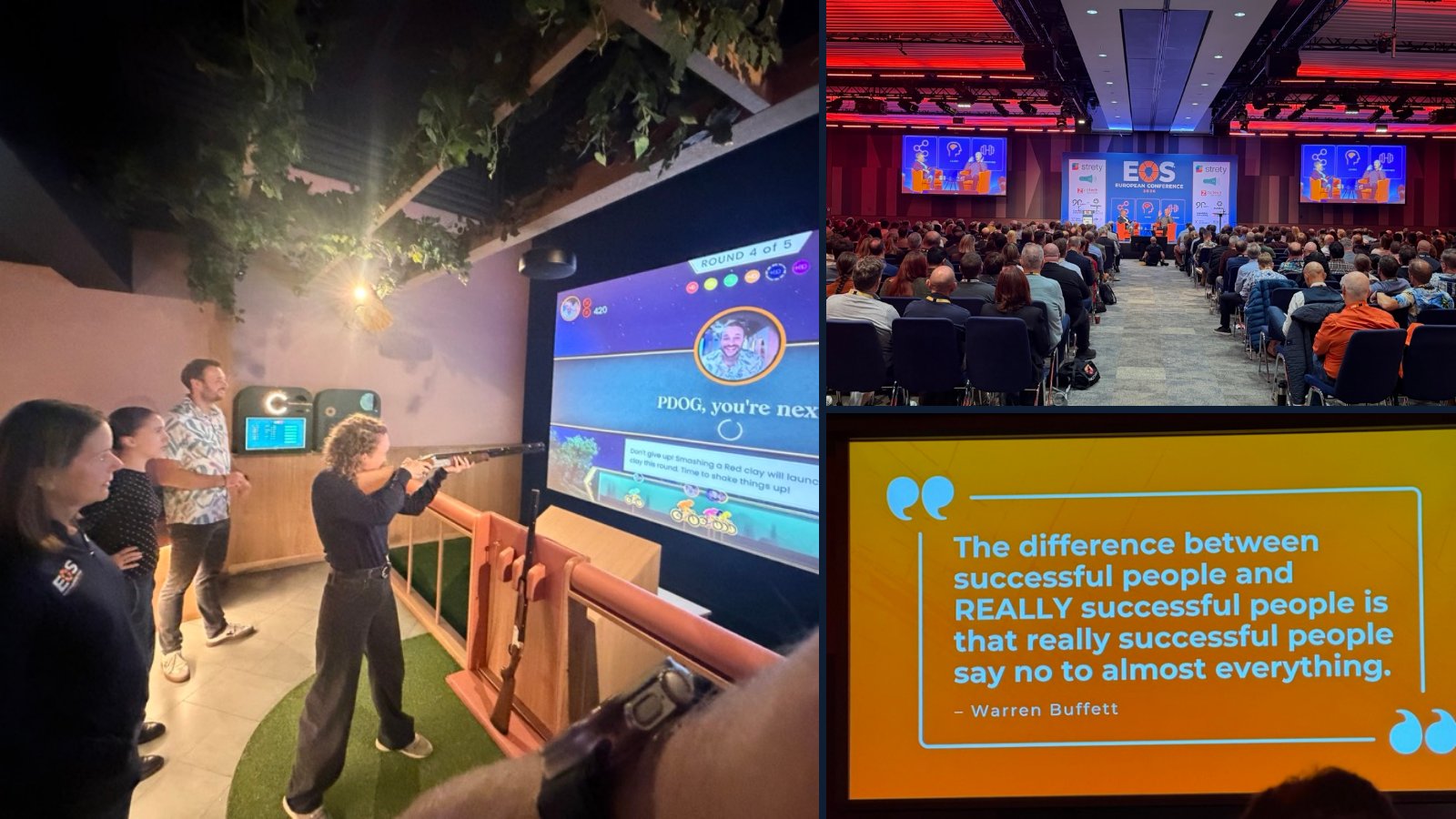
In the age of AI, it's easy to write features. So lazy developers will just throw a bazillion features into the product. We have to control ourselves! There's no point building features for humans that humans never or rarely use. At the Birmingham conference, a slide said the same thing: really successful people say no to almost everything. The slide credited Warren Buffett.
We have to control ourselves!
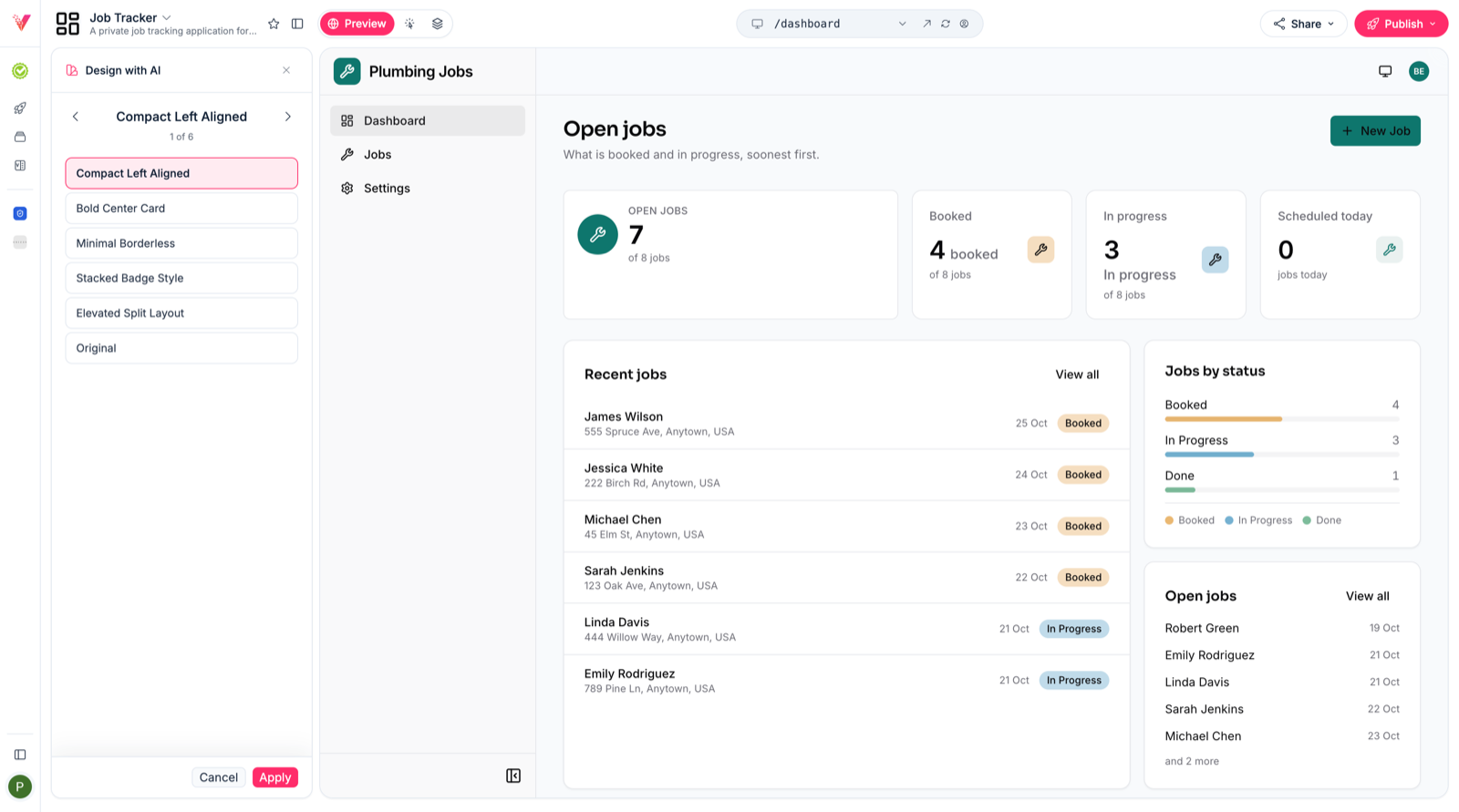
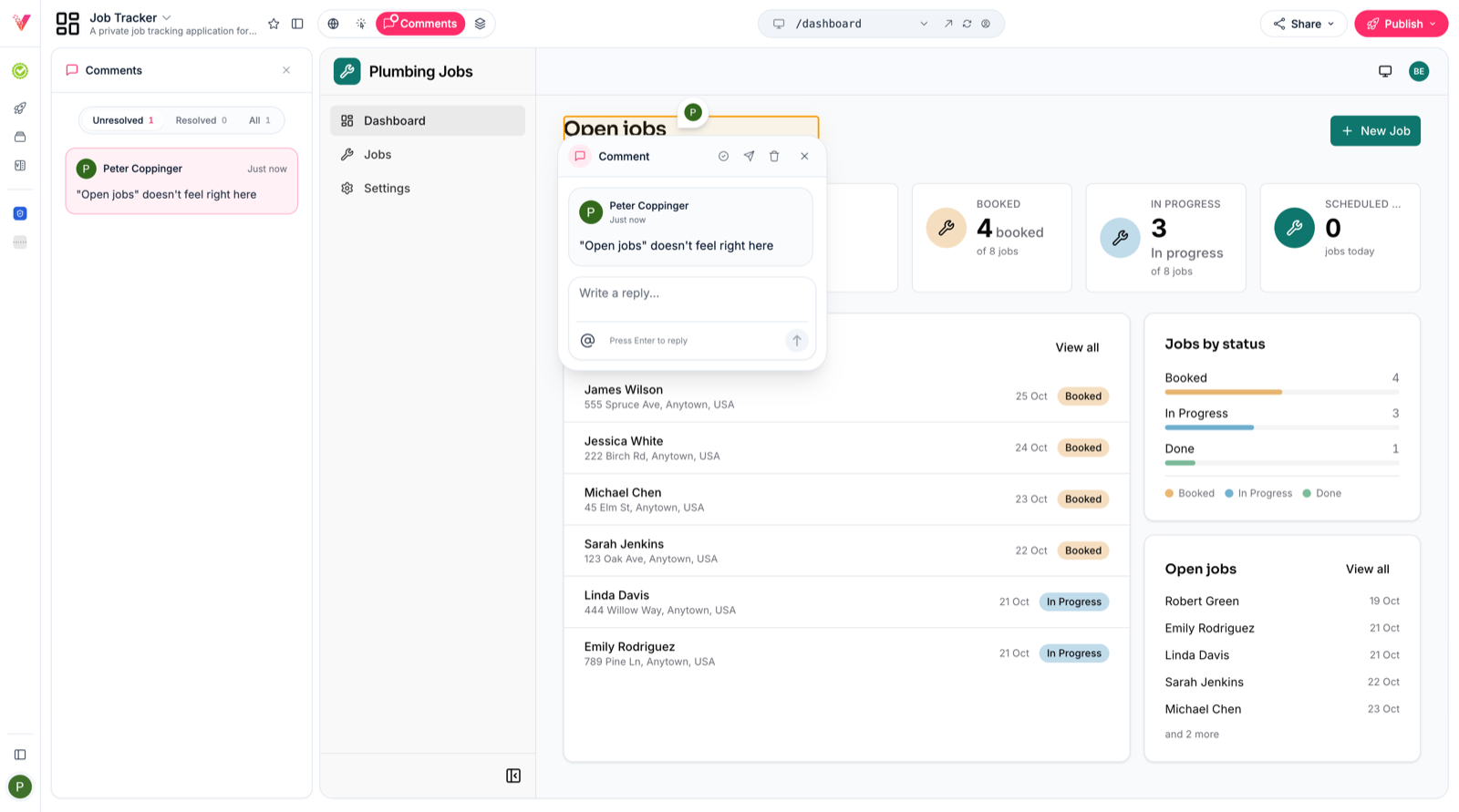
Also, AI testing can only get you so far. Humans have to do the work and test that everything works well and is intuitive. That's why select-to-edit and "Design with AI" need manual feedback, more on that under Next.
What's still rough
Plan mode and cost preview don't work on React edits yet. If you ask for a plan or a price before changing a React project, Vorx tells you it can't do that yet, and nothing is charged. A new project started in Plan mode is still built in Vue for now.
Also shipped this week
It wasn't all just the React work this week, we actually got some features done:
- PayPal in Payments (Beta, so not every owner sees it yet)
- Prices including VAT shown beside the EUR prices on the plans page
- Connectors (Beta), including picking a Slack channel
- Your preview opens signed in as the demo admin
- On phones, dialogs now start at the top, plus a polish pass
Next
First, we finish the final missing features. Then we make the copy-Vue path the default and get rid of the old React path it replaces. After that, it's ruthless testing and optimizing.
I suspect things like select-to-edit and the "Design with AI" feature will need a bit of manual feedback. So I expect it will take another week before we're back to the Vue standards.
Ego check
As mentioned previously, I was going to hire a team and get on the funded-bandwagon with Vorx. But I've decided that I'm enjoying this too much working on my own with an army of bots. And my ego wants to launch this product having built it completely on my own taking on companies worth billions.
But I have to give myself a reality check. When this is live I just can't be at the helm 24/7 and I have an actual real live family. So I've decided that the second this goes live, I'll be taking on my first employee.
My ideal employee would:
- Know what good looks like in an app: have taste! Related: have loads of experience with AI app builders. This above everything.
- Be a very good developer
- Obsess about customers
- Ideally be based in the same timezone: ideally Cork, Ireland or UK
I don't want to put a job out on LinkedIn or anything. So maybe somebody reading this might be interested. I'm sure you can guess my email.
Wrapping up
It's taking a while to get this to market, and that's my own fault. The added weeks came from me focusing on Vue out of personal preference, not being logical about it.
Still, it's probably a good time for the fleet to be doing the conversion, while I'm on holiday in Portugal. I really can't complain. But I want to get this live so badly.
I was telling my wife about another interesting business opportunity just last night. A side project we could do where I'd do all the tech and she'd manage everything else. A nice little side earner. But she rightly said "For **** sake, just launch Vorx." Just the kick I needed. lol
And Vue isn't going anywhere. I've made the decision to support Vue apps as an option. Because I love Vue. And hey, I've done the hard yards to support it already
Stay updated: one founder, an army of AI agents, building this in public.
Get each new diary entry by email: the wins, the failures, and the one number we're chasing. No spam, unsubscribe any time.
Comments